

Across the Caribbean, a quiet awakening is happening. From Puerto Rico to the Dominican Republic and beyond, people are rediscovering a part of their identity that centuries of colonization tried to erase — their Taíno heritage. Though many were once taught that the Taíno “disappeared” after the arrival of the Spanish in 1492, today’s science, genealogy, and cultural resurgence tell a different story. The Taíno spirit endures — not only in our bloodlines, but in our language, traditions, and ways of life.
At TaínoAge.com, we honor this living legacy. For those who feel that call to reconnect, understanding your Taíno background is more than a personal journey — it’s a path toward reclaiming a shared history that continues to shape Caribbean identity.
Before the arrival of Europeans, the Taíno people flourished throughout the Greater Antilles — Puerto Rico (Borikén), Hispaniola (Kiskeya), Cuba, Jamaica, and parts of the Bahamas. They built thriving societies with advanced agricultural systems, intricate spiritual beliefs, and deep respect for nature.
Many everyday words and practices in the Caribbean trace back to the Taíno. Words like hamaca (hammock), huracán (hurricane), barbacoa (barbecue), and cohíba (tobacco) come from the Taíno language. Traditional foods such as cassava bread (casabe) and herbal healing methods have been passed down through generations, sometimes without us realizing their ancient origins.
Despite centuries of cultural suppression, these fragments survived — and today, they are being woven back together by those seeking to honor their Taíno roots.
Many people start their Taíno journey with curiosity about their DNA. Modern genetic testing has revealed that millions of Caribbean descendants carry Indigenous Caribbean ancestry — a genetic echo of their Taíno forebears.
DNA tests from companies such as:
can identify regions labeled “Indigenous Americas—Caribbean” or “Arawakan/Taíno.” These results often reflect maternal or paternal lineages that trace directly to pre-Columbian ancestors.
It's common for DNA tests to use broad categories like "Indigenous Americas" or "Arawak," which include Taíno ancestry, rather than listing "Taíno" as a specific result.
But DNA is just the beginning. Family stories, surnames, and church records often hold deeper clues. Parish archives in Puerto Rico, the Dominican Republic, and Cuba contain baptism and marriage documents dating back to the 1600s. These may include historical classifications such as “indio” or “mestizo,” connecting you to Indigenous heritage through paper trails that survived colonial times.
Taíno culture never truly vanished — it adapted. Many Caribbean customs and beliefs, from the use of medicinal plants to certain spiritual practices, carry Taíno roots in their essence. In rural Puerto Rico, for example, elders still perform cleansing rituals reminiscent of Taíno behique (healers), and the shape of the traditional batey ball court can still be seen in ceremonial recreations across the islands.
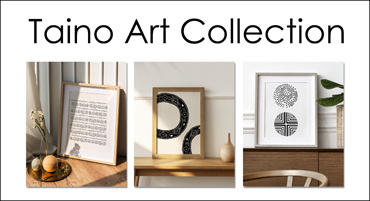
Artistic expression — petroglyph carvings, music, and the sacred symbols of the zemí — continues to inspire new generations. For some, reconnecting means participating in community gatherings that honor ancestral cycles; for others, it’s about speaking ancestral words, wearing Taíno-inspired jewelry, or sharing knowledge with younger family members.
Across the Caribbean and its diaspora — especially in the United States — Taíno cultural movements are thriving. Organizations such as the Jatibonicu Taíno Tribal Nation, the United Confederation of Taíno People (UCTP), and the Kiskeya Taíno Cultural Society work to preserve language, ceremony, and ancestral knowledge.
These groups welcome people of Caribbean descent who seek to reconnect with their roots, offering educational programs, cultural events, and spaces for shared reflection. Their message is clear: being Taíno is not only about genetics — it’s about identity, community, and respect for the land and ancestors.

Reconnecting with your Taíno background is both a personal and collective act of remembrance. It’s a way of honoring those who came before us — the ones who fished the turquoise waters of Borikén, planted yuca in Kiskeya’s fertile soil, and sang to the spirits of the mountains.
Whether you begin with a DNA test, explore family archives, or join a modern Taíno community, each step deepens your understanding of who you are and where you come from. The Taíno never vanished — they live on through us. Their resilience is written in our genes, spoken in our languages, and celebrated in our hearts.
Let the journey begin.


The TainoAge Project website started well over a decade ago. Back in 2007 I began to upload rock-carving/symbol findings to this site.